Understanding the Threat
The Microplastics Crisis
How microscopic plastic particles became one of the most pervasive environmental contaminants of our time.
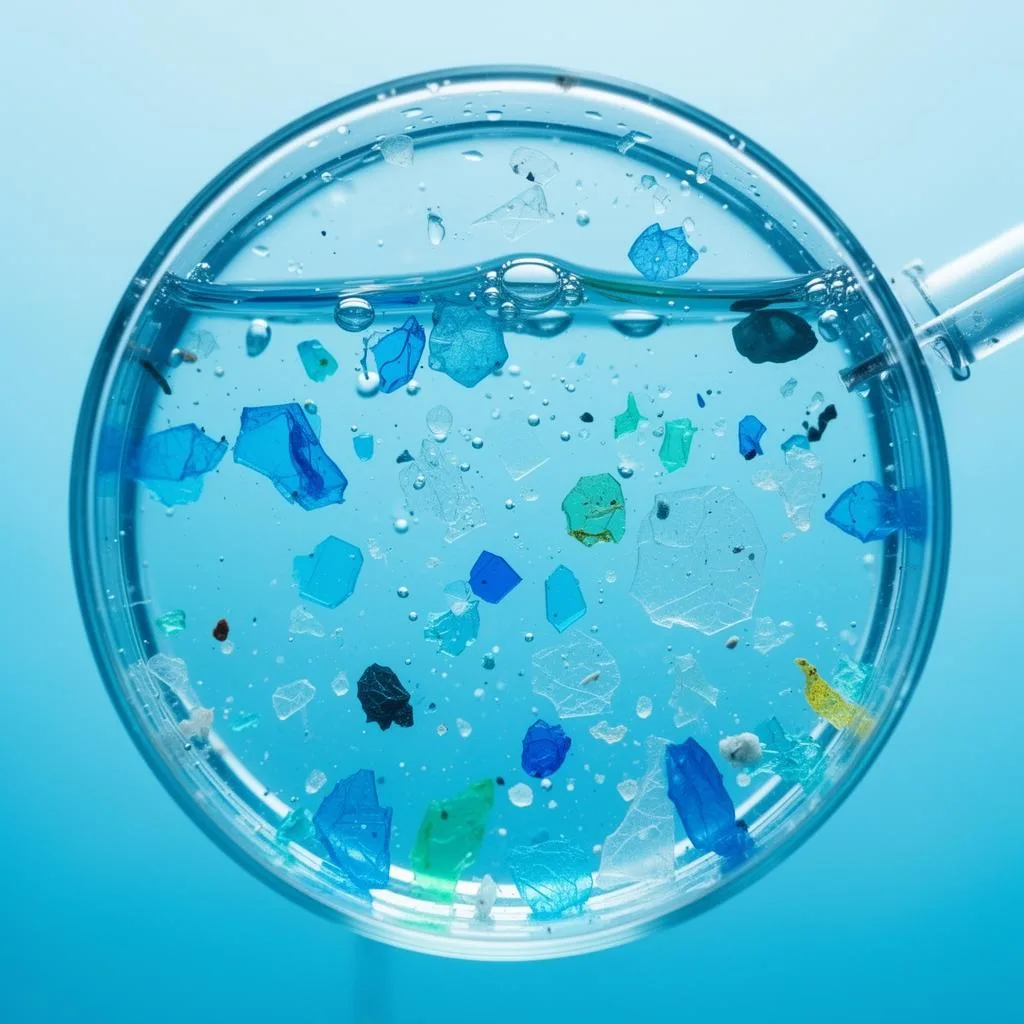
A Crisis Hidden in Plain Sight
Every year, millions of tons of plastic waste enter the environment, gradually breaking down into microscopic fragments that infiltrate our water systems, food chain, and ultimately our bodies.
From the deepest ocean trenches to the highest mountain peaks, microplastics have been found in virtually every environment tested — including the water flowing from our taps.
View Water ResearchContamination Pathways
How plastic pollution reaches your drinking water
Plastic Production
Environmental Release
Breakdown & Weathering
Water System Entry
Human Consumption
What Are Microplastics?
Microplastics are plastic particles smaller than 5 millimeters in diameter. They include primary microplastics — manufactured small plastics like microbeads in cosmetics — and secondary microplastics, which result from the breakdown of larger plastic debris through UV radiation, weathering, and mechanical forces. Nanoplastics, even smaller particles under 1 micrometer, are increasingly detected in environmental and biological samples.
Sources of Plastic Pollution
Plastic pollution originates from single-use packaging, synthetic textiles (releasing microfibers during washing), tire wear particles, industrial waste, agricultural plastic films, and personal care products. Over 380 million tons of plastic are produced each year, with an estimated 8 to 14 million tons entering oceans annually. Degradation of these plastics creates an ever-growing reservoir of microplastic particles in the environment.
How Microplastics Enter Drinking Water
Microplastics enter drinking water through multiple pathways: surface water contamination from runoff and atmospheric deposition, groundwater infiltration through soil, plastic pipes and storage infrastructure, and incomplete removal during water treatment. Studies have found microplastics in both treated tap water and bottled water, with bottled water often containing higher concentrations due to packaging degradation.
Global Scale of Contamination
Microplastic contamination is a global phenomenon. Research has detected microplastics in drinking water on every continent, from major metropolitan areas to remote mountain regions. The World Health Organization has called for further research into the health implications, while studies report that the average person may ingest tens of thousands of microplastic particles annually through water, food, and inhalation.
The Science Is Clear
Understanding the scope of microplastic contamination is the first step. Explore the health impacts and available solutions.